
Use Cases
We work hand-in-hand with CERN equipment owners to develop state-of-the-art designs based on their specifications, agreeing with the Groups, who maintain the final responsibility of the equipment, the main design choices.
Beam Intercepting Devices
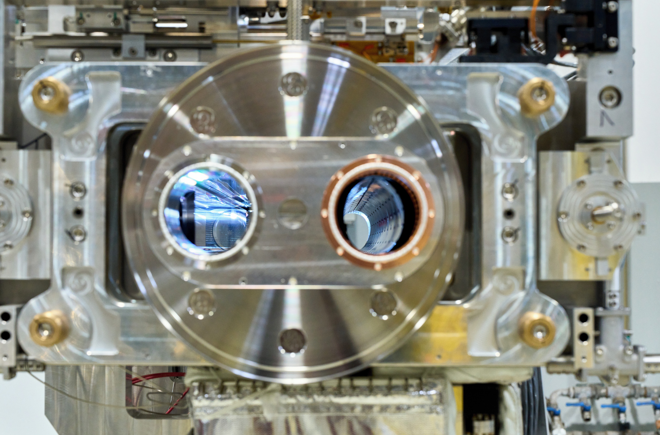
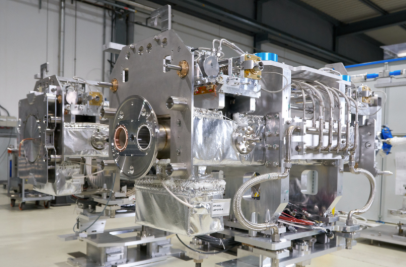
Collimator Project
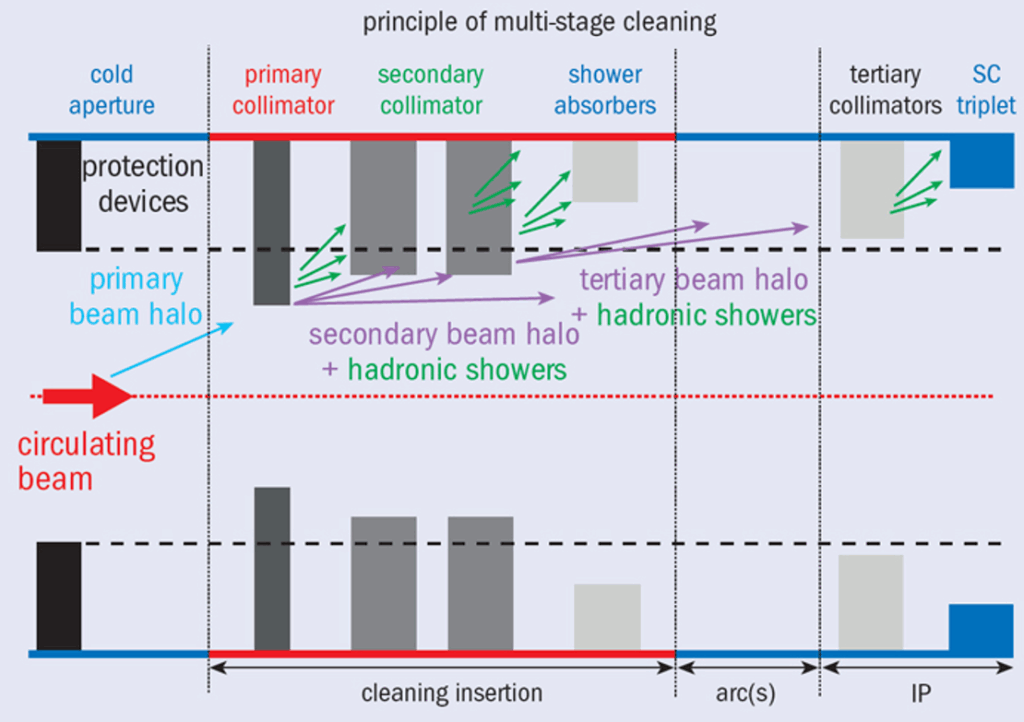
Collimators are critical components of the Large Hadron Collider (LHC) infrastructure, designed to protect its superconducting magnets and other sensitive equipment from the high-energy particles produced during proton collisions.
Purpose and Function
The primary role of the collimation system is to absorb and remove unwanted particles—known as beam halo—that deviate from the beam core. These stray particles, if left unchecked, could damage the accelerator components. The system must handle steady-state beam losses of up to 200 kW and transient spikes of 1 MW during beam aborts.
The collimation system comprises various types of collimators:
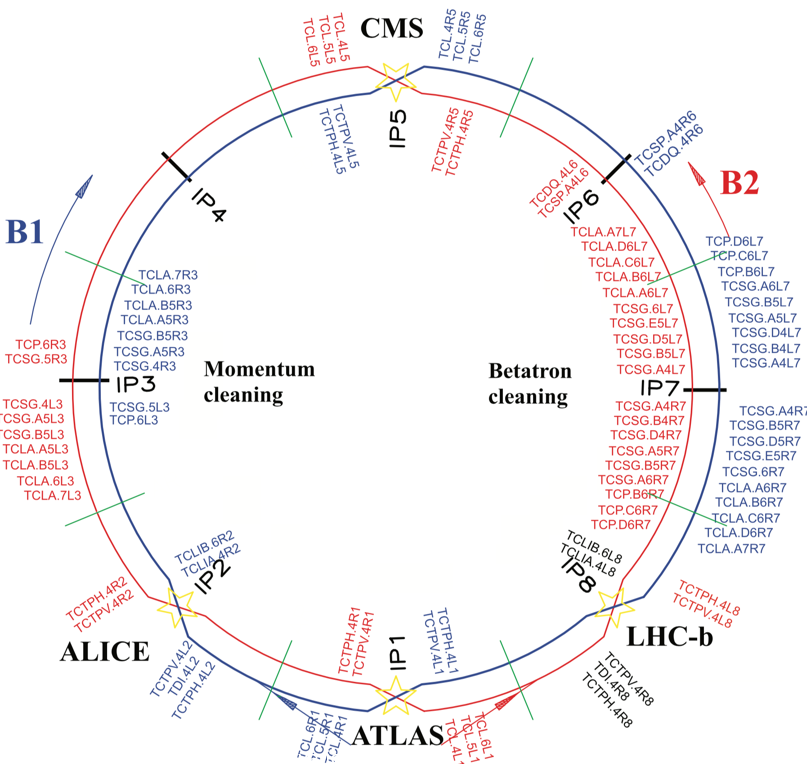
Primary Collimators (TCP): Located closest to the beam, they intercept the majority of halo particles.
Secondary Collimators (TCS): Placed further along the beamline, they catch particles that pass through the primary collimators.
Tertiary Collimators (TCT): Serve as a final line of defense, capturing any remaining stray particles.
These collimators are strategically positioned in the LHC’s insertion regions (IR3 and IR7) to ensure effective beam cleaning, as well as around the experimental points, to absorb the collision debris.
Upgrades for High-Luminosity LHC (HL-LHC)
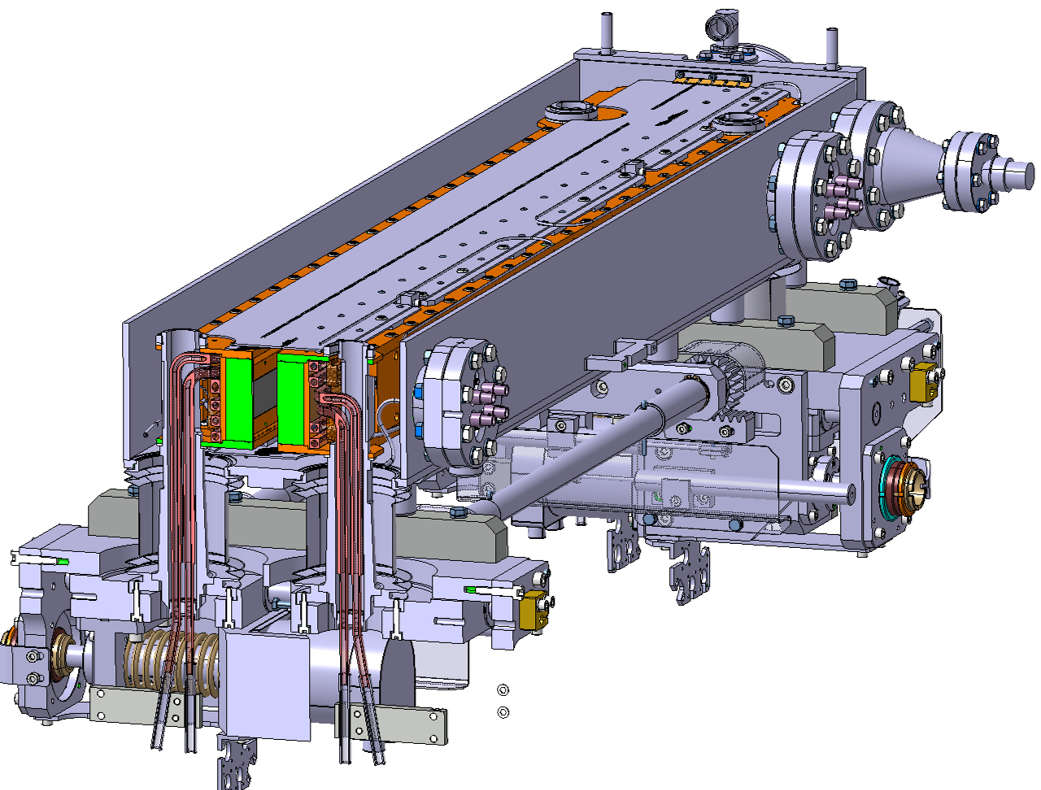
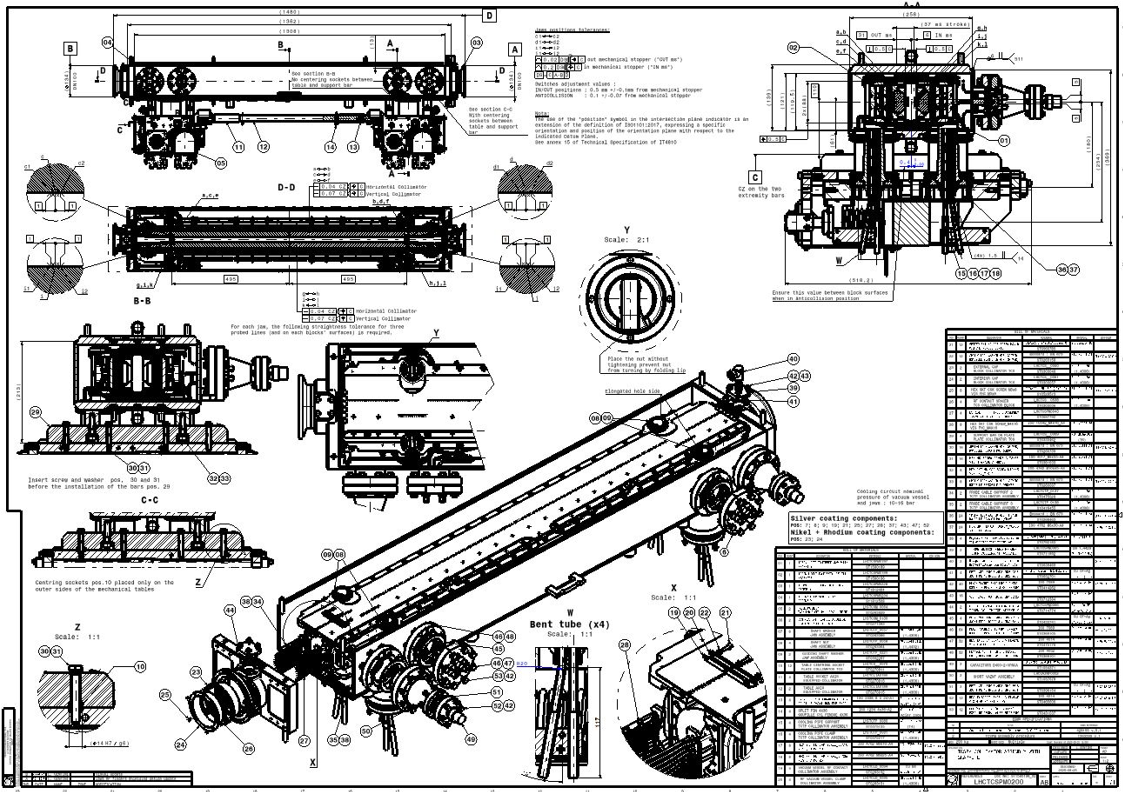
With the upcoming HL-LHC upgrade, the LHC aims to increase its luminosity—an indicator of collision rates—by a factor of ten. This enhancement necessitates a more robust collimation system to handle the higher beam intensities and smaller beam sizes. Innovations include the development of a new generation of collimators like the double beam IR collimators, installed in between the TAXN and the D2 magnet.
Research and Development
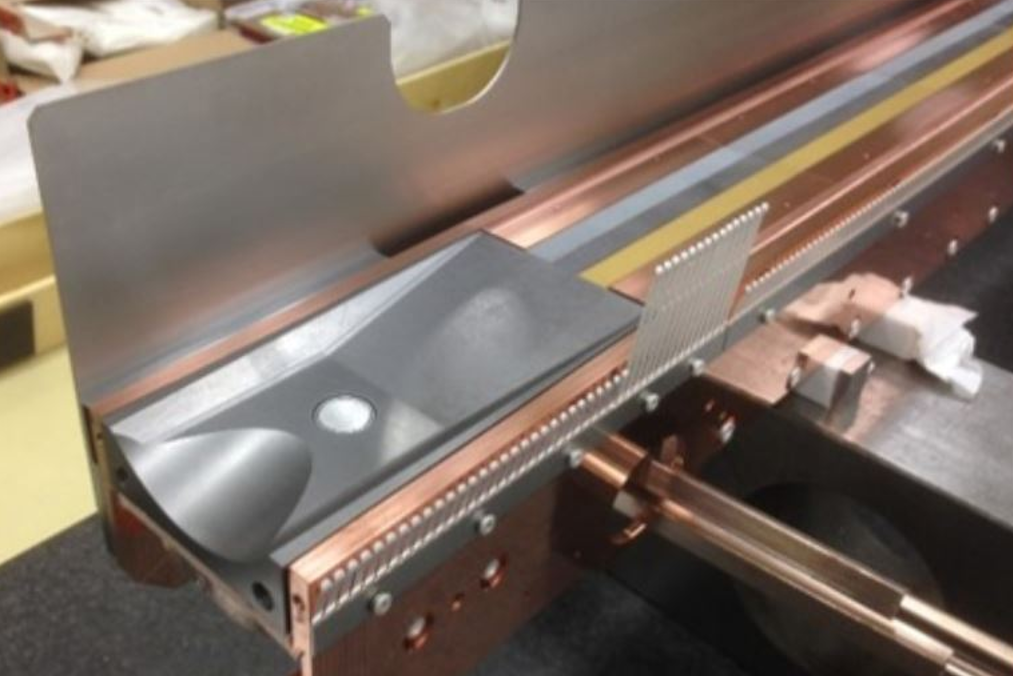
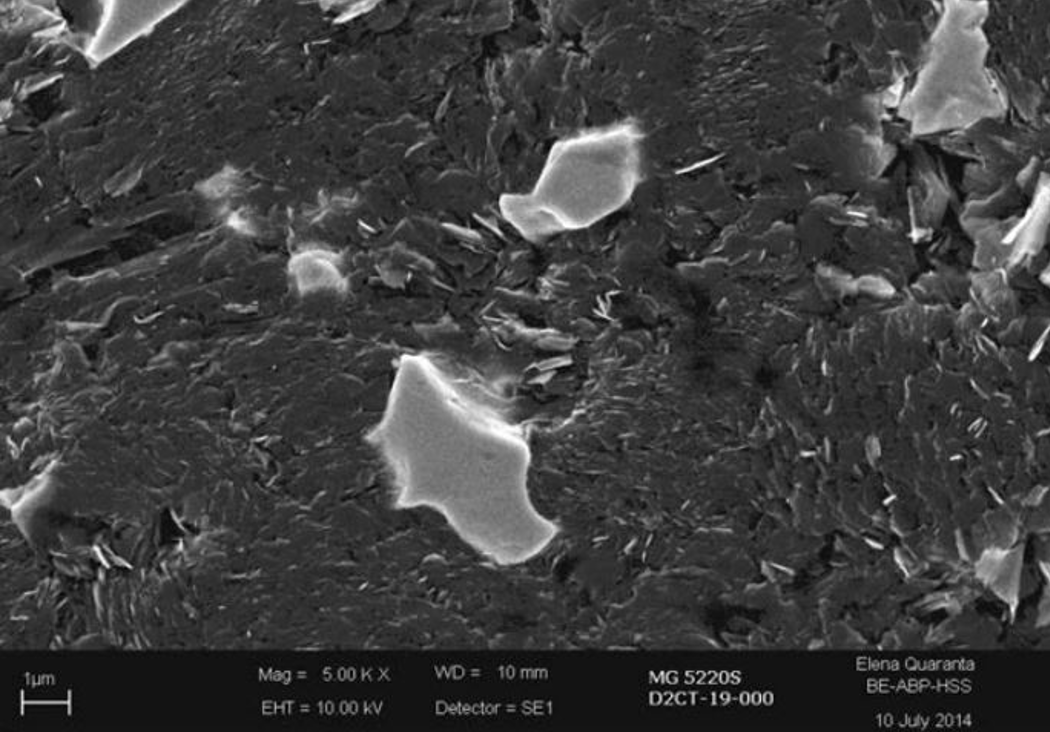
Ongoing research focuses on optimizing collimator materials and designs to withstand the increased stresses anticipated in the HL-LHC era. Studies have explored the use of higher atomic number (Z) materials for better collimation efficiency, like the Mo-graphite which is used in primary and secondary collimators in the LHC. The material can absorb stray high-energy protons and survive in case of accidents.

ANNEX
FIND OUT MORE
Keen to learn more about our activities?
Find out what the Design Office can do for you.